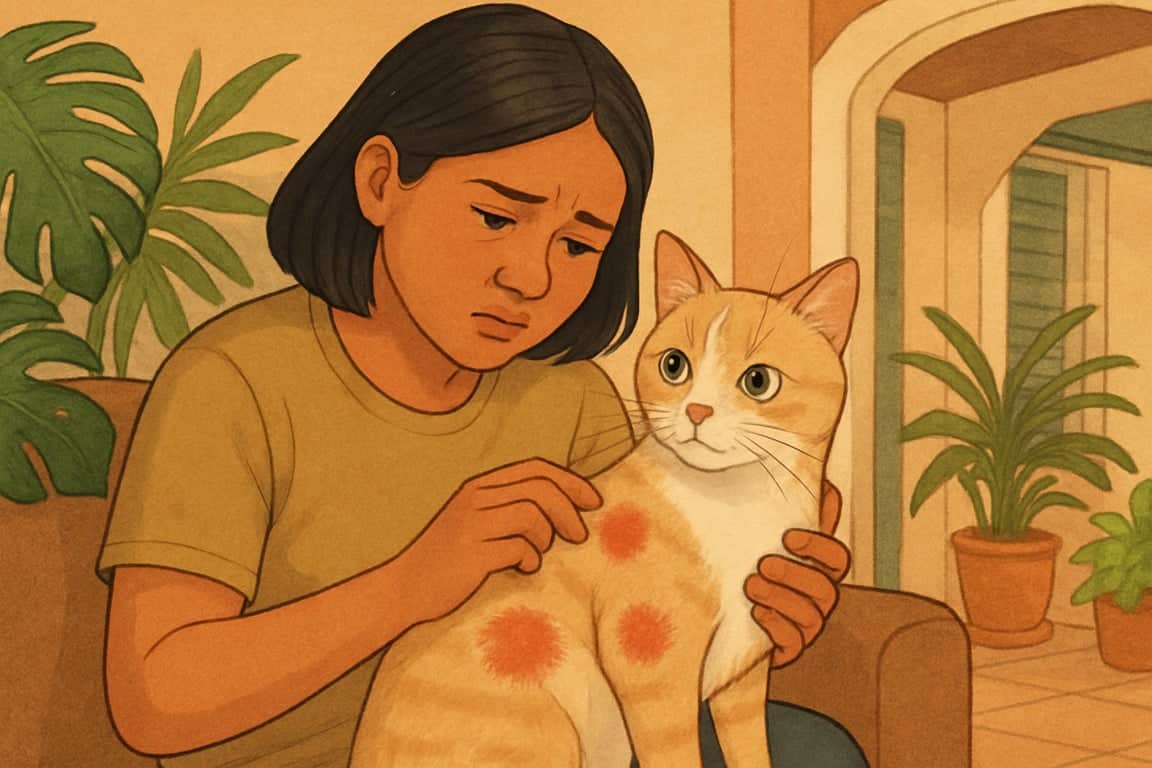
Understanding Fungus Kucing: What Pet Owners Need to Know
When it comes to taking care of our furry feline friends, one pesky problem that sneaks up quite often is fungus kucing, or fungal infections that affect cats. Despite sounding like a complex veterinary term, fungus kucing is essentially an unwanted fungal growth that can cause discomfort and health issues for your beloved pet. As a Malaysian pet owner navigating tropical climates, you might find that these pesky fungi love the warm and humid environment, making your cat vulnerable.
Knowledge is power — and understanding what fungus kucing is, how to spot it, and what triggers it, puts you one step ahead in keeping your cat healthy and happy. So, buckle up as we explore this topic with quirks, wit, and a generous dose of practical tips you can use at home.
Identifying Symptoms of Fungus Kucing
First things first, know your enemy. Recognising fungus kucing early can save your kitty a lot of discomfort and prevent the infection from spreading.
Typical Signs to Watch Out For
Look out for red, itchy patches on your cat’s skin, particularly around the ears, face, and paws. These areas might be flaky or scaly, and sometimes you might even notice hair loss. If your cat starts licking or scratching excessively, that’s another telltale sign. Don’t forget that fungal infections often have a musty or unusual odour, which can be a big hint if you have a keen nose.
How It Affects Your Cat’s Behaviour
Sometimes, cats with fungus might become a bit grumpy or withdrawn because the irritation is just plain annoying. You could notice your usually playful furball becoming lethargic or hiding away more than usual. Spoiler alert: if your cat is avoiding cuddles, investigate for fungus kucing first!
Practical Tips to Prevent Fungus Kucing at Home
Prevention is way more fun than treatment — it spares your cat and your wallet. Here’s how to keep the fungus away in the first place.
Maintain Good Hygiene
Kittens or senior cats alike need a clean environment. Regularly wash your cat’s bedding, toys, and any blankets they lounge on. Give your home a thorough clean focusing on corners and soft furnishings where spores love to hide.
Limit Exposure to Risky Areas
Fungi thrive in damp and dirty places. When you take your cat outdoors, steer clear of muddy patches or spots where other animals frequent. If your cat is an adventurous one who can’t be kept indoors, consider wiping down their paws with a damp cloth after play sessions to remove any potential fungal spores.
Keep Your Cat’s Immune System Strong
A healthy immune system is your cat’s best defence. Feed your cat a well-balanced diet rich in nutrients and consider supplements if advised by your vet. Keeping your cat stress-free and ensuring they get enough sleep also helps their immune system battle infections naturally. Just as we recognize the Significance of Teacher’s Day in Malaysia for educational well-being, prioritizing your cat’s health education is equally important.
Treatment Options for Fungus Kucing
If you suspect your cat has fungus kucing, acting fast is key Visit here. While there are home remedies floating around, it’s best to consult a vet to avoid missteps.
Topical Treatments and Antifungal Medications
Your vet may prescribe antifungal creams, shampoos, or oral medications that are safe and effective. Be sure to follow the dosage instructions like a hawk — fungal infections can stubbornly return if treatment is interrupted. Understanding treatment consistency is crucial, similar to how understanding Faktor Risiko Sakit Lutut helps in managing knee health.
Maintain Cleanliness During Treatment
Keep the infected areas clean and dry. Continue washing your cat’s bedding and toys frequently until the infection clears up completely. Patience and persistence are essential here.
Useful Resources and Final Thoughts
Looking for a bit more community support or detailed guides? While websites like https://starrkaraoke.net/might be best known for entertainment, sometimes taking a casual browse can offer a welcome distraction from the worry of pet parenting. (Just don’t trust fungal advice there — stick to your vet!)
In short, fungus kucing is a common yet manageable issue. Armed with the right knowledge, a sprinkle of vigilance, and a dash of humour, you’re ready to keep your cat fungus-free and purring happily in your Malaysian home. Remember: early detection and good care make all the difference. Here’s to happy, healthy kitty days ahead!
About The Author